What Is Deregulated Electricity?
Electricity deregulation allows consumers to choose the company that supplies their energy. When you switch suppliers, how electricity is delivered to your home won’t change. Choosing a new electric supplier and/or plan gives you the ability to choose the best rates, energy sources and contract terms for your needs.
You can compare it to selecting an internet service provider — only certain providers are available in a given region, but you’ll likely have a choice between competitors, and each competitor will offer multiple plans to suit different needs and preferences.
Deregulated electricity markets allow competitors to enter (and exit) the market to buy and sell electricity by buying power plants and transmission lines. The aim of deregulation is to prevent monopolies, keep prices competitive and give consumers the power to choose plans suited to them.
Deregulation is intended to benefit everyday consumers — you can keep your rates low, support green energy and choose the term length and contracts best for you. But in a market with companies hungry for your business, consumers have to proceed with caution and make sure they understand all the terms of the plans they’re signing on to.
How Does Energy Deregulation Work?
In deregulated markets, companies offer a range of energy plans with competitive prices, energy source choices and terms. The intent is for competition between businesses to incentivize efficiency — if a company operates with lower overhead, it can offer lower rates and attract more business.
Let’s define the difference between a utility and an electricity supplier.
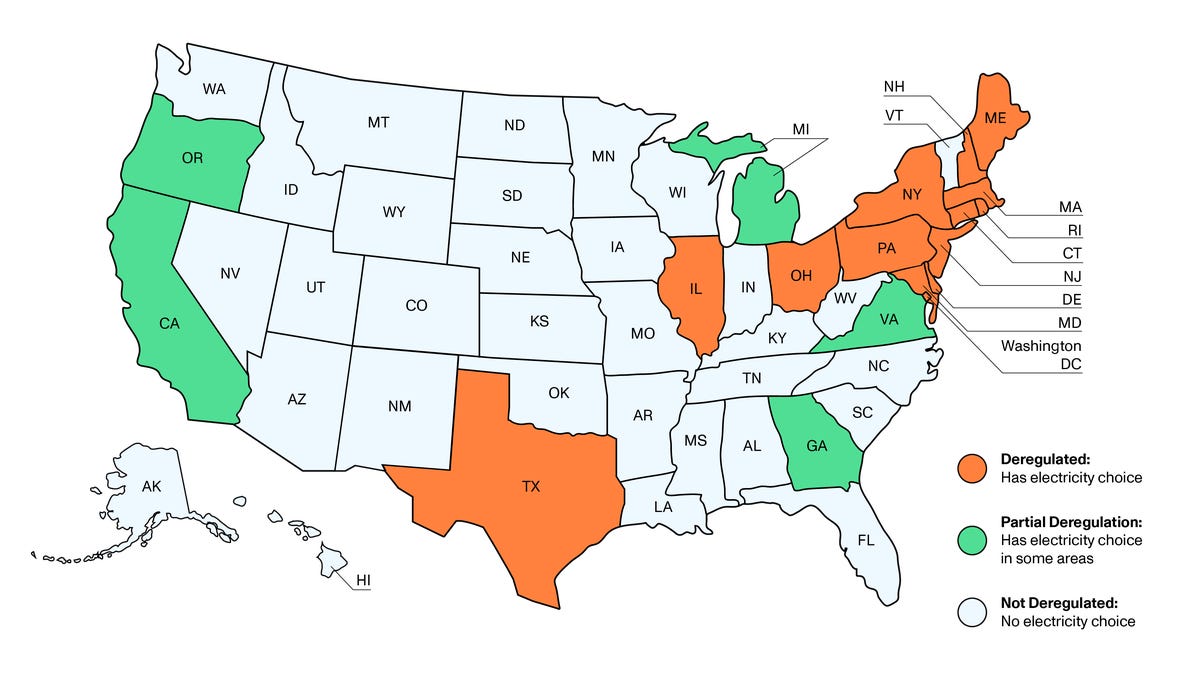
Utility
Utilities can be either private, investor-owned companies (investor-owned utilities or IOUs) or can be operated by government entities. Either way, they are regulated by state public utility commissions (PUCs). An example of a government-operated utility is Seattle City Light, which is operated by the City of Seattle. ConEd (Consolidated Edison) is an IOU that operates in New York. Some communities, usually rural or remote ones, are served by cooperatives owned by the community.
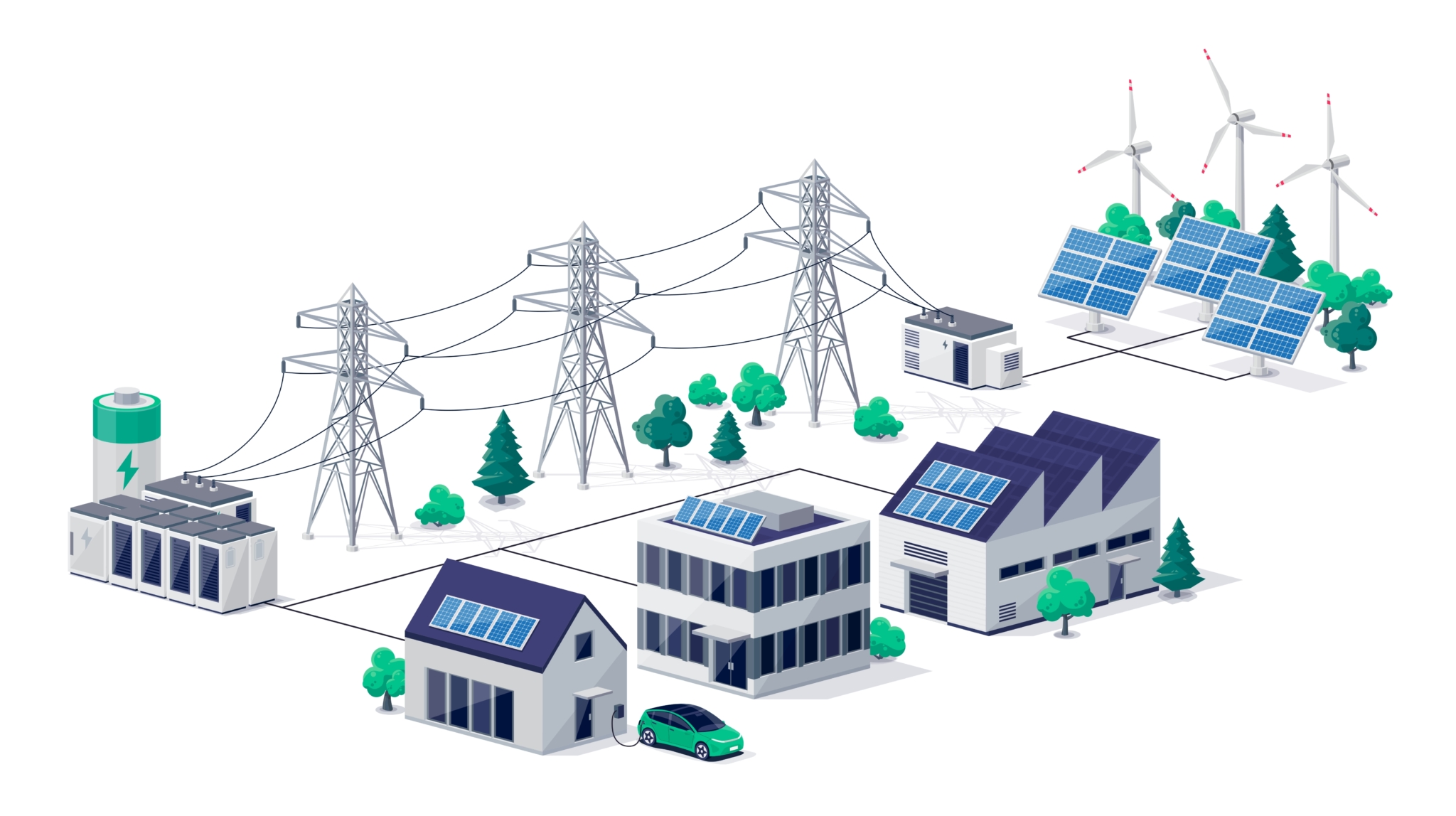
Making and getting power to homes, businesses and other end users consists of three stages: generation, transmission and distribution. Utilities are responsible for the distribution portion and are responsible for maintaining the distribution network — the poles, lines, meters and other infrastructure that get power to its final destination. You don’t have a choice over which utility will serve you.
Electricity Supplier
Electricity suppliers, often referred to as third-party suppliers, purchase electricity on the wholesale market and sell it to customers at the lowest possible rate. No matter which supplier you purchase electricity from, it will be delivered by your utility, which is responsible for the reliability of your electricity — for example, frequency and length of power outages.
If you live in a deregulated energy state and can choose your supplier, you can likely do so without even requiring a visit from the company to your home or business.
Check out this video for some of the basics of deregulation.